
Home / Services / Commercial Integrated Pest Management
Vancouver, British Columbia
Commercial Integrated Pest Management Services in Vancouver
Integrated pest management services combine monitoring, prevention, and targeted treatment to control weeds and pests on commercial turf, without leaning on routine spraying. For Vancouver property and facility managers, that means fewer chemicals on shared grounds, a clear record of every visit, and turf that holds up over time.
With over 10+ years of combined team experience, Weed Pros builds each integrated pest management services program around what a property actually needs, not a fixed spray calendar. That matters more here because of strict local pesticide rules.
Monitoring-first
Threshold-based treatment
Every visit documented
Vancouver bylaw compliant
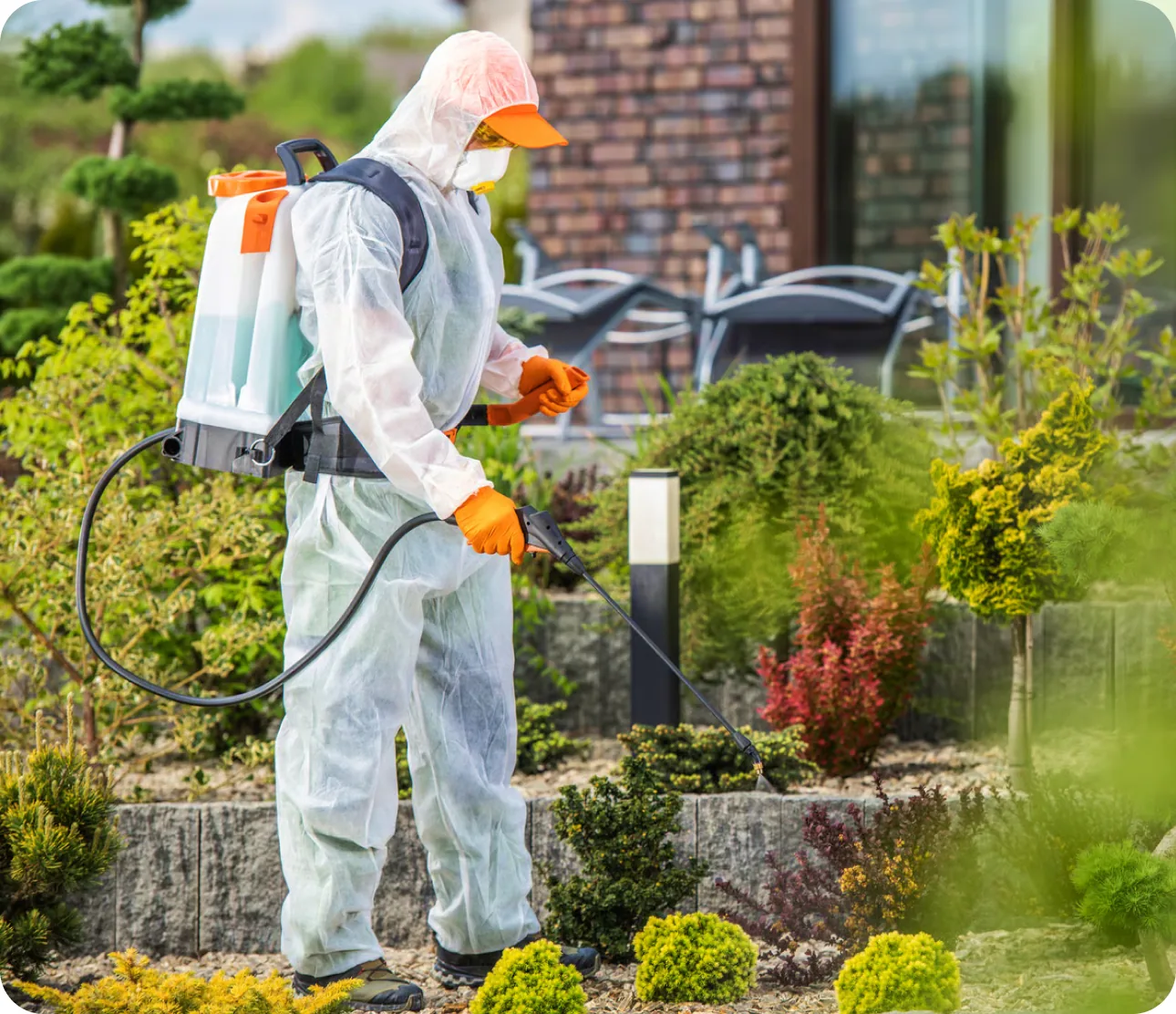
10+
Years of combined team experience
4
Steps from walkthrough to reporting
3
Pillars — watched, prevented, treated
IPM
Treatment only once a pest crosses the threshold

The basics
What are integrated pest management services?
Integrated pest management, or IPM, is a way of managing weeds, insects, and turf diseases by checking the property first and treating only when needed. Instead of spraying on a set schedule, a technician checks the site, works out what pest is present, then decides if treatment is even needed.
01
Check the site first
Work out what pest is actually present before anything else.
02
Cultural practices come next
Mowing height, watering habits and soil condition — before anything chemical.
03
Treatment sits at the end of the list
Applied only once a pest crosses a threshold that genuinely threatens the turf.
Some in the industry call this integrated weed management when the focus leans toward weeds rather than insects. The logic underneath stays the same either way.

Find the right IPM plan
Built around what your property actually needs.
How it works
How our IPM service works
Getting started with integrated pest management services doesn't take long to set up, even on a larger commercial site.

01
Site walkthrough
A technician comes to the property and takes a close look around — turf, pest pressure, and other factors that can cause trouble.

Turf · pest pressure · risk factors
02
IPM plan created
A regular check-in plan is put together, based on the size of the property and the pest history — so the work fits the site instead of a one-size-fits-all routine.

Sized to the site and its history
03
Threshold-based treatment
Treatment only happens once a pest crosses the point where it's actually damaging turf. Never on a fixed calendar regardless of conditions.

Never on a fixed calendar
04
Visit reporting
Every visit gets documented and shared, giving a property manager a running record.

A running record, every visit

Book an IPM site inspection
The walkthrough comes before any plan.
The payoff
What a lower-pesticide program actually gets you
A well-run IPM plan pays off beyond just fewer weeds. Sustainable pest management is really reduced-pesticide lawn care applied with more attention to timing.

Lower liability
Fewer applications, applied only where needed, means fewer situations where a property has to answer for chemical use. A board doesn't want to explain a spray decision after something goes wrong — less product on the ground means less to explain.

Fewer tenant complaints
Reduced pesticide use, paired with cultural practices instead of routine spraying, cuts down on odour complaints tied to blanket applications. Skipping that step when it isn't needed avoids the calls altogether.

Healthier commercial turf
Addressing soil, watering, and mowing issues builds turf that resists pests on its own, rather than turf patched up every few weeks. That's the part most quick-fix programs skip.

Long-term pest control
Since treatment targets the actual cause instead of symptoms, the same pest problem is less likely to reappear. Fixing the actual issue tends to hold longer, sometimes for the rest of the season.

Improve turf health today
Fewer applications, stronger turf.
Our method
How Weed Pros builds an IPM program
Every commercial IPM program starts with a site visit, not a spray truck. From there, the plan gets shaped around three things — what's watched, what's prevented, and what's treated, in that order.

First
Property monitoring
What's watched
A technician walks the site and notes what's actually present.
Logged on every walk
✓
Weed pressure
✓
Insect activity
✓
Disease signs
When
Repeats through the season, not just once
→

Then
Preventive turf care
What's prevented
Weak turf invites pests that healthy turf resists, so the causes get fixed first.
Checked and adjusted
✓
Mowing height
✓
Watering schedules
✓
Soil compaction and drainage
✓
Thatch buildup
When
Before any treatment is considered
→

Only then
Targeted pest treatment
What's treated
⚠ Only past the action threshold
How it's applied
✓
Only to the affected area
✓
Biological control where it fits — nematodes for grubs
✓
Chemical only where Vancouver's bylaws still permit, applied narrowly
When
Thresholds reviewed on every visit

Start your IPM program
Prevention first, treatment last.
Local rules
Pesticide compliance without sacrificing turf
Vancouver's Health Bylaw restricts which pesticides can be used on turf, and several older grub-control products are no longer permitted. That doesn't mean turf quality has to suffer.
01
Addresses the cause, not the symptom
A program built around monitoring and cultural practices tends to hold up just as well — sometimes better.
02
Plans adjusted as the rules change
We stay up to date with Vancouver's pesticide regulations and adjust treatment plans accordingly.
03
Compliant and still attractive
IPM lawn care helps your property meet local requirements while keeping turf healthy.

Schedule a property assessment
Compliance built in from the first visit.
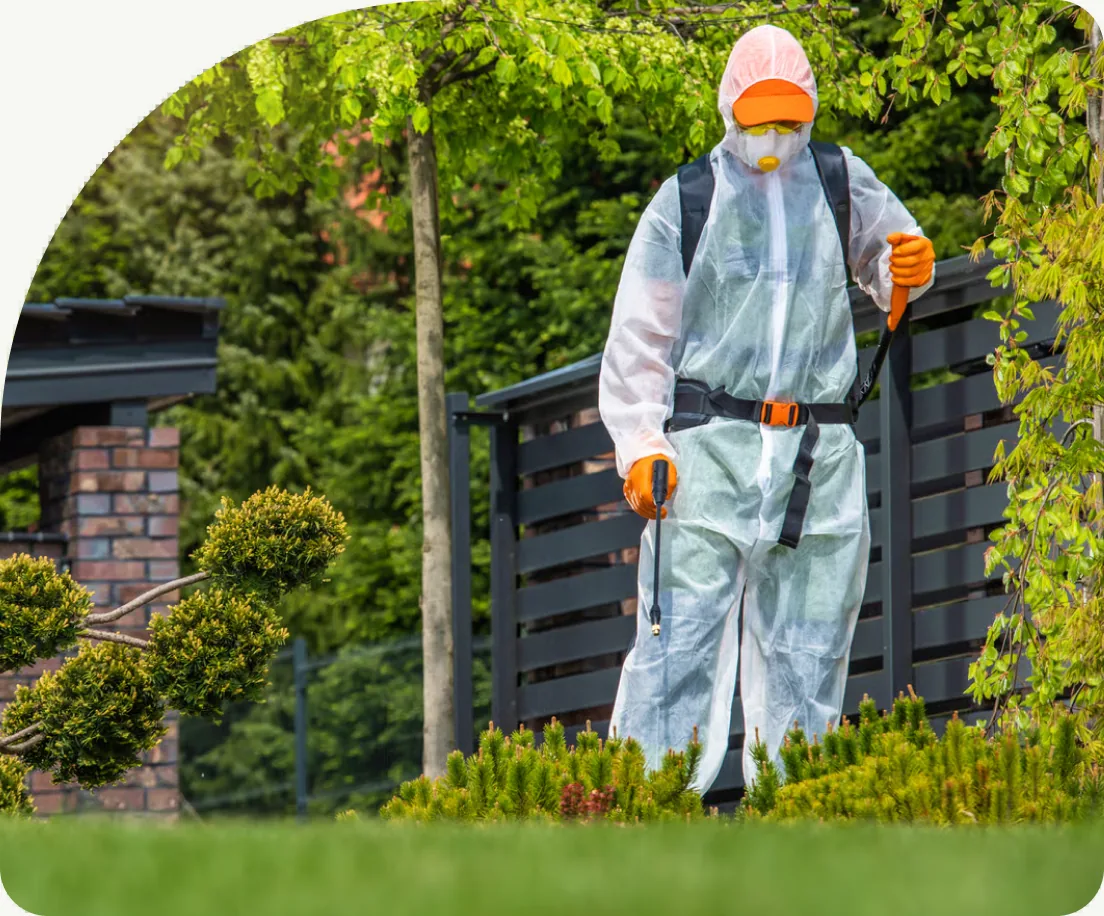
Site types
Built for different kinds of commercial sites
No two properties carry the same pest pressure, so a commercial IPM plan gets shaped around the site type before anything else — built around your property's actual conditions, not a standard service plan.

Strata buildings and multi-unit properties
Shared lawns, courtyards and walkways mean residents are present daily. Programs need advance notice built in, along with a plan that accounts for pets and foot traffic.

Schools, daycares and healthcare grounds
These sites call for the lowest possible chemical use, timed around occupied hours. Healthcare grounds in particular tend to prioritize biological control and cultural fixes well before anything else.

Municipal, retail and commercial office sites
Larger sites usually have more turf to manage and often require clear service records to support pest control decisions. The same core process applies, just scaled up.

Build your custom IPM plan
Shaped around the site type first.
Pricing
The factors behind your IPM program quote
IPM program cost depends on a handful of straightforward factors rather than a flat per-visit rate. Requesting a quote is the fastest way to exact numbers instead of guessing off square footage alone.

Site size and turf coverage
Larger sites, or properties with several separate turf areas, take more time to monitor and treat properly. More ground generally means more visits worked into the schedule.

Existing pest pressure
A property with a known chafer beetle or weed problem generally needs closer monitoring than a clean site.

Monitoring schedule
More frequent monitoring visits catch problems earlier but do affect overall cost, discussed during the site assessment.
Get a customized service plan
It's worth asking for an estimate before monitoring frequency needs change mid-season.
Why Weed Bros
What sets our integrated pest management services apart
With over 10+ years of combined team experience, every IPM agreement follows the same threshold-first thinking, whether the site is one strata building or a chain of retail properties.

Trained IPM technicians
Deciding when a pest actually warrants treatment takes judgment, not a checklist. Technicians are trained on action thresholds, not just product application.

Customized IPM programs
Two properties with the same square footage can carry different pest pressure. Programs get shaped around each site's actual history.

We inspect before re-treating
If a pest issue reappears between visits, the property gets reassessed before anything gets reapplied — not simply resprayed on assumption.

Fast response times
New pest activity between scheduled visits gets a fast response, from a team that treats documentation and communication as part of the job.

Get expert IPM advice
Judgment on thresholds, not a checklist.
FAQ
Frequently asked questions
What property and facility managers ask most about IPM.
Is integrated pest management legally required for commercial or strata properties in Vancouver?
Not strictly required by name, but Vancouver's Health Bylaw already restricts many pesticide products, which pushes most commercial sites toward an integrated weed management approach.
How soon will we see visible results after starting an IPM program?
Cultural practice changes often show within a few weeks, while pest population drops usually take a full monitoring cycle or two to become obvious.
Can IPM still work if weeds or pests are already out of control on our property?
Yes — the first site walkthrough accounts for existing pressure, and early treatment gets scaled up where genuinely needed.
Will tenants or residents be notified before each visit?
Strata and multi-unit properties get advance notice ahead of any treatment, in line with standard practice for shared areas.
What happens during the first inspection?
A technician walks the full site, documents existing pest and weed activity, checks soil and turf condition, and uses that to shape the monitoring schedule.
Next step
Request an IPM estimate today
Not knowing what's been sprayed on shared turf, or when, puts a property manager in an awkward spot at budget time or a board meeting. An IPM plan fixes that with a clear record and a lower-chemical approach from the start. Book IPM services and get the paperwork sorted before the season gets busy, or ask for a quote first.
Get an IPM Estimate
1-833-WEED-PRO
Mon–Fri 7am–6pm

hello@weedbros.ca
Estimates by email

Vancouver & Lower Mainland
Strata, schools, healthcare & retail